Get Rid of Bulky Waste Items on a Budget
Get Rid of Bulky Waste Items on a Budget: Complete Guide
Are you struggling with bulky waste disposal, but worried about the costs involved? Clearing out old furniture, appliances, mattresses, garden debris, or renovation offcuts can seem overwhelming--especially when the price of professional removal services adds up quickly. But don't worry: it's entirely possible to get rid of bulky waste items on a budget with a bit of planning, creativity, and know-how.
In this detailed guide, we'll share a variety of budget-friendly methods to remove large, heavy, or awkward items from your home. Discover free and low-cost solutions, learn how to prepare your items for disposal, and find out how to make the process efficient and environmentally responsible.

Understanding Bulky Waste: What Qualifies?
Before diving into the various disposal options, it's useful to clarify what is considered bulky waste. In general, these are items too large or heavy to fit into a standard bin or be picked up with regular curbside trash. Examples include:
- Sofas and armchairs
- Mattresses and box springs
- Fridges, freezers, and large appliances
- Broken bicycles or exercise equipment
- Rugs and carpets
- Garden furniture
- Construction and renovation debris
Most municipalities have strict guidelines about how these items can be disposed of, so it's vital to check your local rules before proceeding.
Why Proper Bulky Waste Disposal Matters
Improperly discarded bulky items can negatively impact the environment, block public spaces, and even result in fines. It's crucial, both for your community and your wallet, to dispose of these items responsibly, following local regulations and environmental considerations. Befriending eco-friendly bulky item removal not only protects the planet but often saves you money, too!
How to Get Rid of Bulky Waste Items on a Budget
Your options to dispose of large household items affordably depend largely on what the items are, their condition, and your local resources. Below, we break down the best strategies to eliminate heavy rubbish without breaking the bank.
1. Contact Your Local Council for Bulky Waste Pick-up
Many councils offer a low-cost or free collection service for bulky household waste. Some municipal waste management services allow residents to book a pick-up a few times a year, often at no charge or a minimal fee (especially for essential items like mattresses or fridges). Here's how to proceed:
- Check your council's website for 'bulky item collection' or 'large trash pickup' services.
- Register for pick-up, specifying the number and type of items.
- Follow guidelines on how and when to place items at the curb.
- Be sure to book well in advance, as free or discounted slots are often in high demand.
Tip: If your municipal service doesn't cover certain items, seek out nearby towns or community programs that accept non-residents for a slightly higher fee.
2. Take Items to Your Local Recycling Centre or Tip
Most areas have waste recycling centres (also called 'tips' or 'household waste sites') that accept bulky items for free or at low cost. In many regions, residents can dispose of:
- Furniture
- White goods (fridges, stoves, washers)
- Lawnmowers and bikes
- Garden debris and wood
To minimize costs, rent a trailer or borrow a friend's vehicle for transport. Often, the only expense you'll incur is fuel or a small tip fee (if you exceed household limits or are a non-resident).
3. Sell, Donate, or Give Away Bulky Items
One man's trash can be another's treasure! If your items are still in usable condition, donating, selling, or giving them away is a win-win for your wallet and the community.
- Sell online: Use platforms like Facebook Marketplace, Craigslist, Gumtree, OfferUp, or Nextdoor. Many users will collect directly from your doorstep.
- Donate to charity: Many charities and thrift shops accept gently used furniture and appliances--and some will pick up large donations for free.
- Offer for free: List as 'free to collect' on local apps and websites. You'll be surprised how quickly things can disappear!
Important: Prepare items by giving them a quick clean and taking a clear photograph. State accurate dimensions and any damage to avoid confusion.
4. Try "Bulky Waste Days" or Community Clean-Ups
Many neighborhoods organize periodic community clean-ups or bulky waste amnesty days where residents can drop off large items--or have them collected--at no charge. Watch for flyer notices or check your local council's site for the next event. Arrive early, as these events are popular!
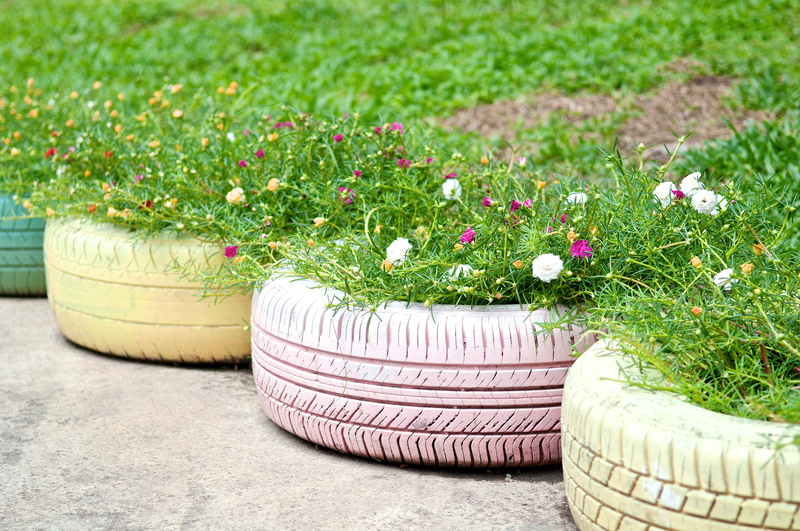
5. Upcycle or Repurpose Bulky Waste
Before you throw it out, think outside the box: Upcycling is not only environmentally friendly but can save or even earn you money.
- Old wood furniture: Sand and paint for a fresh look, or break down for firewood or DIY projects.
- Beds and mattresses: Break into recyclable components--metal springs for scrap, wood for compost, fabric for craft projects.
- Fridges and microwaves: Remove hazardous materials and use the metal as shelving or garden planters.
The internet is full of inspirational upcycling ideas for large waste items that can help you turn your trash into treasures--while saving on disposal fees.
6. Hire a Man & Van Clearance Service (Split the Cost!)
When DIY isn't feasible, a man and van rubbish removal service can be much cheaper than skips. Gather all your bulky items, check local listings, and compare quotes. Some tips for saving money:
- Share a booking (and the cost) with neighbors or friends who also have items to dispose of.
- Disassemble items to reduce volume (cheaper per cubic yard or meter rates).
- Pre-sort recyclable materials to reduce sorting fees, if offered.
7. Rent a Small Skip--Only When Necessary
While full-sized skips can be expensive, mini skips or skip bags are a lower-cost solution for moderate amounts of bulky items. Consider this option if municipal collection is unavailable and you have more than your car can carry but not enough for a large skip.
- Skip bags: Purchase a fold-out skip bag from a DIY store--then book a collection when full.
- Mini skips: Cheaper per day and easier to fill with heavy or awkwardly sized items.
Pro tip: Team up with neighbors to split rental and collection costs.
Smart Strategies to Cut Bulky Waste Disposal Costs
Whatever method you choose, a few extra steps can keep expenses--and headaches--from piling up:
- Plan ahead: If possible, schedule removals during municipal "free collection" windows or just before moving house.
- Pre-sort materials: Remove metal, wood, electronics, and hazardous parts from bulky items to simplify recycling or reduce fees.
- Minimize landfill usage: Always prioritize reusing, donating, or recycling over landfill or incineration.
- Ask for help: Neighbors, friends, and local "handyman" services may help you move heavy items for much less than removals companies.
Avoid Illegal Fly-Tipping: Save Yourself Fines and Hassle
It's worth repeating: never leave bulky items on streets, in alleys, or countryside. Not only is fly-tipping illegal, but it also causes environmental harm and could result in significant fines--and even criminal charges. Always follow recognized disposal channels for peace of mind.
Low-Cost Bulky Waste Removal: Do's and Don'ts
To dispose of large items on a budget also means being savvy about potential pitfalls. Here are some essential do's and don'ts:
Do:
- Check council rules and free collection calendars.
- Photograph and list usable items online before discarding.
- Ask local charities about pick-up of unwanted furniture.
- Sort and prep items to maximize recycling potential.
- Seek help lifting/moving to avoid injury.
Don't:
- Leave items outside for extended periods.
- Attempt unauthorized dumping or burning.
- Dismantle appliances with hazardous parts (e.g., fridges) unless you have expertise.
- Forget to shop around for removal quotes.
Final Thoughts: How to Get Rid of Bulky Waste Items on a Shoestring
Saying goodbye to bulky household clutter shouldn't drain your bank account. With careful planning and a bit of research, you'll find plenty of affordable ways to dispose of large household items--many of them free. Check with your local authority first, give repurposing a try, donate items, or join forces with neighbors to slash costs. Care for your community, protect the environment, and save money--all in one go.
Remember, the cheapest option isn't always the easiest, but with a touch of elbow grease, you can get rid of bulky waste items on a budget--and do your bit for the planet in the process.
Frequently Asked Questions (FAQ)
How can I get rid of furniture for free?
List it online as free to collect, ask your local council about free bulk pickups, or contact charities that accept donations and offer free collection.
What is the cheapest bulk waste removal method?
Use free council pick-ups, take waste to the recycling centre yourself, or give items away. Renting a skip bag or teaming up with neighbors can also keep costs low.
Can I leave bulky items on the street?
No! Leaving items on public property without permission is illegal in most areas and can result in fines.
Can bulky waste be recycled?
Yes, many materials--like metal, wood, fabric, and some plastics--are recyclable. Sort components where possible or choose council or third-party services with recycling policies.
Conclusion
Getting rid of bulky waste items affordably doesn't have to be a headache. By using the crowd-sourced wisdom and strategies above, you'll save cash, help your neighbors, and keep your community clean. Next time you have a large item to move, refer to this guide and choose the method that best fits your budget and environmental values.